
Have you seen this child?
She was lost sixty-one years ago
She simply disappeared.
Her present status, I don’t know.
Should we put her on a milk carton
Or leave her to find herself?
Perhaps she is dead and buried or
Baking cookies with the Keebler elves.
Perhaps she dances with wild gypsies
Wild swirling dances that cover her defeat.
Are they bewitched by her radiance
Delighted by her naked madness,
Struck speechless by her insane
Howling beneath a winter’s moon?
The years have surely taken her
I don’t know where she went.
She used to live in my closet
Curled under the heater vent.
She was such a frightened girl
She seldom ventured out.
Could it be that she still exists
Although hidden from clear view?
You might catch a glimpse of her
When I smile at you.
Call her softly, do not shout.
She might dare to laugh or love
Unfolding the lost child inside out.
Tag: woman
Angel Of The Wounded Child

Wounded child
Can you hear the
Gentle flap
Of angel’s wings?
Lost in your closet
Of endless memories
Come out of the dark
Don’t be afraid.
The screaming has stopped.
The voices you hear
Exist only in your mind
The storage trunk of the past.
Come, open the present.
He will protect you, this
Angel of the Wounded Child.
You want to die
Lost in your pain
Yet, you have not lived.
Open the door
Take down the walls
Let the healing begin.
Angel of the Wounded Child
A light peering into your closet.
He wants you to
Come out and play
The nightmare is over.
Wake up! Wake up!
Sleep is not a cure.
Come out of the darkness
The light does heal
The secrets, the fears, the past.
by Jeanne Marie
No Action In My Body Today

I had no action in my body today
Just tears
I couldn’t stay.
I had no desire to get dressed
Just tears
I couldn’t repress.
I had no blood left in my veins
Just tears
That I know will stain.
I had no action in my body today
I could not leave
I could not stay.
by Jeanne Marie
I Am She

I AM SHE
There was a time when my mother was middle-aged and me?
I was young and naive, not a care in the world; the arrogance of youth was on my side
I was a footloose hippie girl and I thought love was free.
Her skin was firm and tanned, black waves of hair fell to her shoulders
softly surrounding her fair face, bosom quite generous,
legs as fine as any model, she was my mother,
but with flower child simplicity, I used to call her Grace.
She was spirited back then, although she seemed quite old to me,
and how did I become imprisoned while she has learned to fly–a butterfly set free?
Tonight, as I glance into the mirror, my middle-aged face stares back.
Have I become her, and she, the child I used to be?
At seventy-three she’s still a beauty, but time’s fire has burned its’ trail
and when she had a stroke last year,
I realized how deeply she had aged; yet, become so childlike, so frail.
My firm skin, my shapely legs, will soon bow down to time,
much as my bell-bottoms and tie-up tops gave way
to blue jeans and then on to stretch pants and a baggy tee.
I will lose this interval named youth and as I look into her face,
I see my future and
I am she.
by Jeanne Marie
My mom went to play with the angels in 2009.
“Do You Remember When You Used To Call Me Grace?”
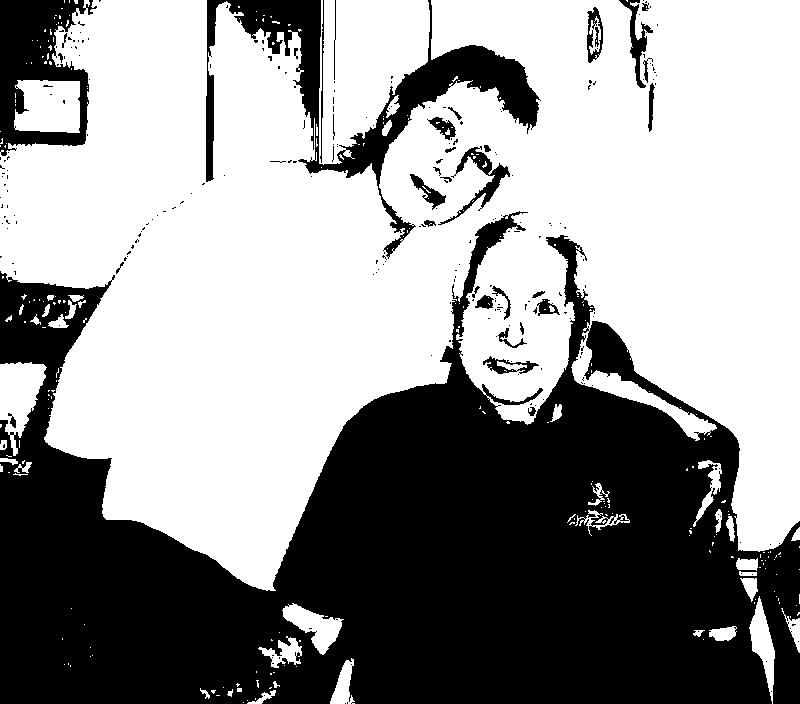
The scent of fresh coffee lured me from my bed. As I filled my birthday mug, (“I’ve got it all, a career, a family and a headache!”) the coffee’s aroma triggered a flood of memories. I closed my eyes and I was standing in front of my father’s wood stove, offering my small shivering body up to its’ warmth, as I watched the percolator pop coffee into the glass knob on the top of the pot. The ancient farmhouse kitchen smelled of yesterday’s baked bread and stale tobacco, the morning’s burning wood and fresh coffee.
I didn’t want to open my eyes because I knew that the reality of last night’s supper dishes and my dog’s wet pee papers would rush up to greet my eyes. It felt comfortable to feel eight years old, to revisit my childhood, if just for a few moments.
I could see my mom as she bustled around the kitchen, shoving huge pieces of wood down into the stove, stirring last night’s embers with the rusty iron poker, the flames roaring up as she quickly replaced the heavy black cover.
Her long black hair was “set” with bobby pins. As she removed the pins, and ran a brush through her hair, it fell down around her shoulders in soft waves, streaked through the front with white. She walked over to me and took my hand.
I lifted my eyelids, the vivid memory faded; only the smell of fresh coffee and a vague image of my mother holding my hand remained. I felt uneasy because my mother’s hand had felt as frail as a tiny child’s as I’d enclosed it in my own firm grip.
I settled into my daily routine that Monday morning, (write a lot, clean a little) as the present erased the past. However, I couldn’t shake the image of my mother’s hand, tucked into mine.
Monday evening my twenty-five-year-old daughter, Jennifer, called me. “Mom, I have some bad news. Nana had a stroke and she’s in the hospital.”
“Is she okay? How bad was it?” I asked her.
“I don’t know,” she answered. “I’ll call you as soon as I find out.”
I spent Monday night on the couch with the phone beside me, waiting for news. All I knew was that on Monday morning, Mom had driven herself to the hospital, and she hadn’t told anyone which hospital she was going to.
My mom and most of my family live in Boston or New Hampshire. I live in Oklahoma, so there was nothing I could do but wait while my family tracked her down.
Tuesday morning, I learned that it was a slight stroke; still, I made plans to fly to Boston on Wednesday. I talked to my mom on the phone and she told me not to fly out, that she was okay. Then she began to cry. “I’m coming and that’s it.” I said.
It was the longest flight that I ever flew to Boston, ten hours to make a five hour trip, thanks to storms over Chicago.
Late Wednesday afternoon, at last, I walked into my mom’s hospital room. As she saw me step into her room with my daughter and my tiny granddaughter, her eyes filled up.
“This is my Jeanne, this is my daughter,” she emotionally declared to the nurse and her roommate, Dorothy. (They’d met my daughter the day before.)
I dropped my purse and rushed to my mother’s bed. After carefully moving the IV tubes aside, I gathered her up into my arms. Her body felt thin, unfamiliar, and her face was ghostly pale.
Her terror was obvious as she clung to me.
Our roles reversed in that instant.
She was confident that everything would be okay now; her Jeanne was here! It was my job to validate that belief.
The worst things get, the sillier I behave, usually handling tragedy with humor. I knew that to behave any other way would frighten my mother, so I took a deep breath and shoved aside my fear. Always the comic, always the problem fixer, that’s me.
I didn’t know what to do now; but, I pretended that I did. I knew that I couldn’t cry in front of Mom. She was frightened enough.
I wanted to cry.
She looked so small and pale in that bed, her face a sickly shade of white, her eyes begging for reassurance.
Instead, I sat down and listened in amazement. She described her drive to the hospital, her lurching entrance and her six hour stay in the emergency room waiting for a bed to become available.
“I told you didn’t have to come, honey,” she finished. “I’m okay.” However, I could sense her pleasure as her eyes drank in my presence.
“Ya, and I want to see you while you still are!” I teased.
My two-year-old granddaughter, Rachel, observed her mom, her grammy and her nana. Her big blue eyes were wary, unsure of what was happening, somehow sensing our fear. I realized that we had four generations of women in this hospital room and I wished that I’d brought my camera. Reacting like a journalist, even now.
After an hour or so, my daughter took Rachel and left for home.
I stayed with Mom, and as we laughed and joked our way through the afternoon, I realized that in just a few hours, she looked much stronger. I decided to drive to her trailer to pick up the pajamas and personal items that she needed.
“Do you want anything special to eat?” I asked her, as I prepared to go.
“It’s funny, but all I can think about is shrimp,” she replied. “But, I don’t know where you can get any.”
“I’ll find some,” I promised.
I returned with a large order of jumbo fried shrimp. I smiled as I watched her peel away the fried crust and eat the shrimp hidden inside. When Dorothy’s friend called, she asked what was going on, she said it sounded as if we were having a party.
We were. We were celebrating life.
The three of us had turned the gloomy hospital room into a women’s social hour, ignoring reality with all of its’ pain. The nurses began to call it the “resort room.”
I decided to wash Mom’s hair. As she leaned over the sink, I wet her hair and began to massage shampoo into it.
I was shocked. Her hair was fragile, extremely thin, and her head felt like an infant’s in my shaking hands. I squelched my alarm, and I kept up the banter as I toweled dried and styled the thin gray strands. I gave her a quick makeover, a little blush, a little lipstick. She exchanged her hospital gown for a pink and purple flowered robe.
Now, she looked like my mom. She felt better too, though she’d been too weak to groom herself. She decided that she would take a walk.
As she exercised, faltering steps up and down the hall, determined to make her legs obey, I was in awe of her determination. I forced my arm to stay inches behind her back, not protectively around her, as I wanted it. I understood how she must have felt when I took my first steps. After our walk, we approached her bed and she fell into it, exhausted. I could see how much strength it’d required for her to take those short steps.
“Do you remember when you used to call me Grace?” she asked, her face inches from mine as I tucked her into bed.
We both smiled at the memory as I leaned down and kissed her baby soft cheek.
When I’d been a hippie, nonconformist teenager, I’d decided to call my mom by her first name. Although her mother had expressed intense disapproval at the lack of respect it implied, Mom just accepted it as a phase I was going through, and I don’t even remember when I began to call her Mom again.
But I’m sure she did.
As she napped, I watched over her, thinking of the promise that I’d made to her when I was fourteen. Working together in a nursing home, I’d seen the neglect and the loneliness the patients endured. I knew I couldn’t allow my mom to live in a nursing home, not in my lifetime. Back then, I’d vowed to her that she’d never spend a day in a home; a promise often repeated through the years. (Today, there are many excellent nursing homes available, but I’ve never been able to erase the memory of the shoddy home where I worked.)
Now, I wondered if I was strong enough to keep that promise. As I watched her sleep, knowing that the time might come soon to make a decision, I discovered that my heart already knew the answer. It was a promise I’d find a way to keep. I’d create a safe haven for her amid my hectic life, my cramped house and my shaky marriage.
When the doctor came in that evening, he explained that Mom had suffered a series of mini-strokes and that the MRI had shown that this was just one of many. I felt a chill in my bones. We’d laughed the bogeyman away; but tonight, the doctor called him out of the shadows to stand in front of us.
Mom and I listened, along with my niece and her husband, as the doctor explained the results of mom’s tests. He told her she’d die within a year if she continued to smoke, and they discussed the nicotine patch he’d prescribed for her the first day.
He told her that she had blockage in the carotid arteries in her neck and backwash in her heart. She also had a mitro-valve prolapse, but we’d known that beforehand. They’d found several new heart murmurs. Quite a list.
I thought of all the years she’d eaten her favorite foods; fatty fried steaks, thick greasy pork chops, rich, creamy gravies, butter thick on her bread, three teaspoons of sugar and cream in her coffee.
He said she couldn’t go home to take care of her brother, or even herself, until she became stronger. He treated her with respect and compassion as he attempted to persuade her to go to Northeast Rehabilitation, to recover. No, she couldn’t go home, even if I stayed with her for a few days; she needed a hospital. He promised a short stay and a full recovery. This time.
He looked at me as he finished his request with, “This is what I’d recommend for my own mother.”
My mother, a strong, self-sufficient woman, hates being helpless or at the mercy of other people. I understood. She had instilled the same principles in me.
She has always taken care of others, so it was a giant leap to for her to imagine others caring for her.
Just two months ago, at sixty-nine, she’d taken her severely disabled younger brother from an abusive group home and became his full-time caretaker.
We all wondered if that had contributed to her own stroke.
So did he. He cried when he first learned of her stroke because he thought that he’d killed his sister. His face lit up like a kid on Christmas morning when he was wheeled into her hospital room on Thursday, and he saw for himself that she was okay.
When I left the hospital that night, I carried my mom’s assurance that she’d go to the rehab, “For a few days.”
I tossed around on the couch that night, never falling into a sound sleep, so I got up when I heard my granddaughter’s early morning giggles. My grandson soon joined us. We cuddled on the couch under a quilt while I basked in her and my six-year-old grandson’s innocent happiness.
As we played, I realized that I had become what my mom used to be when my own kids were young, a grandmother, in spirit as well as name.
After a while, I showered and reluctantly left the kids to drive back to the hospital.
I was due to meet my mother’s sister at 9:30, to discuss Mom’s and my uncle’s options just in case Mom couldn’t care for him or herself.
As we stood in front of the hospital, under gray skies, rain falling, puffing on cigarettes that could also kill us, I felt as if I’d changed–become a completely different person from the woman I’d been four days ago.
I felt like an adult, for the first time in my life. Not even becoming a grandmother had made me appear or feel any older; I often had to show an ID when I bought my cigarettes and I’d thought that I’d stay girlish forever.
That had all changed in a heartbeat. I literally felt myself change as I accepted the responsibility for my mom and her future.
“You’re the only one she’ll go with, you know,” my aunt told me.
“She won’t go with either of your sisters or your brother. She’s always told me that if she was unable to take care of herself, she’d go to live with you.” I understood that. Out of her four children, I was the only one to tell her that I wanted to take care of her in her golden years.
My younger sister had stayed with Mom until I’d arrived, but her husband and Mom didn’t get along, with good reason on my mom’s part, so that left just me at the hospital with Mom.
I went upstairs and we spent an anxious day waiting for the staff from the rehab to come and evaluate Mom’s condition and to decide if they’d accept her as a patient.
As I watched the physical therapist put Mom through her exercises, I cringed inside. I felt helpless when I saw the pain on Mom’s face, yet, I was proud of her spunk as she pushed her body through the moves. When the therapist finished, I noticed that Mom had soiled the back of her nightshirt and her bed. (Mom had already mentioned her incontinence to me.) I knew that one of her worst fears was having to use a diaper, but I couldn’t let her soil herself and not tell her.
First, I went to the nurses’ station and asked Mom’s nurse to come wash and change her. Perhaps she could give her a Depends to wear, until she strengthened her muscles.
Then I went back, explaining to Mom that she needed a change of clothes and a Depends, just for a little while.
The nurse told Mom that women begin their lives in diapers and often end them the same way. The way she explained it, made it seem okay, normal, and it happens to everyone, like gray hair.
As I look back, I know I should’ve changed Mom, but I felt as if I was about to lose control of myself.
I was right. I barely made it downstairs before the damn broke.
I was so brave until that moment, but the indisputable proof that my mom was ill, dependent, hit me hard. As I went outside in the rain, I began to sob for the first time since I’d heard about my mom’s stroke. I stood there gasping and choking as I tried to hold back the agony and the fear that all of my efficiency had hidden.
“I had to put a diaper on my mother,” I cried softly, over and over, my arms wrapped tightly around my body. I slowly rocked myself back and forth under the gray mist.
“I had to put a diaper on my mother.”
People avoided looking at me as they walked by on their way into the hospital.
I couldn’t stop the tears as I walked back in, so I ran straight to the rest room. Every time I cleaned my face, looking into the mirror to estimate the damages, the tears would gush again.
My mother’s condition made me feel vulnerable; she was my strength, how could I be strong if she was weak? She was my audience, my biggest fan. She encouraged me; her pride in my writing spurred me on.
Then too, if life could catch her, surely it could catch me. My mother could mend my heart when no one else could; she was always there, waiting for my call.
I thought of all the happy phone calls we’d shared this past year, her pride in my
accomplishments.
I needed my mother–she was a glorious thread in the tapestry of my life.
I felt guilty that my thoughts about losing my mom were centered on me and how I would feel if I lost her.
I returned to her room. She lay in the white metal bed, clean and smiling. She’d declined the offer of a Depends.
“Were you crying?” she immediately asked. So much for pretending.
“No, it’s my allergies.”
She knew that I’d been crying, but she let it go. I left her at 4:00 P.M., with a map to Northeast Rehabilitation in my hands.
An ambulance transferred her to the rehab that evening.
Saturday morning, I arrived at Northeast and we spent the day together, reading, talking and visiting. I arranged her clothes so that she could easily reach what she needed. She was already doing so much better. I was going home Sunday, so as I prepared to leave that afternoon it was difficult to say good-bye. We hugged and said, “I love you,” a dozen times.
She smiled at me from the bed as I was walking backwards out the door. I tried to memorize her face and capture her love. I didn’t want to leave. I might never see her again, and although that was true each time that I’d visited and left, now the threat seemed more real.
Then I realized; she has no guarantee of my safety either! The risk of me being hurt or killed would be high for the next twenty-four hours. I was driving into Boston and getting on an airplane. Taking stock of my own vulnerability to death helped me to leave her.
Two years ago, a drunken driver killed my young son-in-law, Donnie, as he was on his way to work. One moment Donnie was alive, the next–he was dead. His death taught me to value every moment God bestows on me.
As I left Mom to fly back to Oklahoma, I needed to remind myself that death doesn’t make an appointment; it comes when it pleases to each of us and each day that we’re alive is a gift.
I placed her in God’s hands and I thanked Him for the time that we’d just shared, for another chance to look each other in the eye and say, “I love you,” while it still mattered.
It’s been two years since my mom’s stroke. Today at age seventy-two, she’s still taking care of her brother and living one day at a time. We’re enjoying each bonus day that God allows us. Last summer, after talking about it for ten years, we finally rented a cottage at Hampton Beach in New Hampshire. We spent our seven days swimming and sunning, talking and enjoying each other’s company and I realized what a precious gift we were giving to each other.
As she lay on the hot sand, covered with towels to protect her still pale skin from the sun, she asked me, “Do you remember when you used to call me Grace?”
I just smiled.
NOTE: My mom went to play with the angels in 2009. I miss her everyday.
Tulsa Friends of the Library 23rd Annual Creative Writing Contest
First Place, Published Essay, “Remember When You Used To Call Me Grace?” 2000.
Mothers and Daughters

A Few Disorderly Thoughts From A Daughter Who Became A Mother
What are “the ties that bind,” what forms the substance of the invisible umbilical cord that flows between a mother and daughter? What joins us together even when we’re apart? Why does my daughter’s heartache bruise my heart, why do I feel her pain, how do I know before she even tells me?
A mother loves her son, but she knows from the day he’s born that he’ll only let her nurture him, hug and kiss him, until he starts to become a man. His first day of school, he tells her, “Don’t walk me up to the door Mom, I don’t want the kids to see me with my mother, they’ll laugh at me.” And this is kindergarten! She walks home in tears; he has begun to cut the cord. It hurts, but she realizes that he only wants to grow up and be “a man.” I think boys possess the urge to be “a man” the day they’re born. Women know the rules. We let our boys cut the cord; pull away, be tough, be strong. We let their fathers tell them, “Don’t cry when you fall down; don’t be a mama’s boy.” As soon as he can walk he’s warned by the grown men in his life, “Don’t be a sissy.”
So why do daughters stay bound to their mothers, strengthening the connection developed in the womb?
I was thirty-eight years old when I drove to my mother’s house one night, at three in the morning. I could barely see the highway through my tears. Exhausted and grieving, I collapsed on her porch. I made it! I was safe! Why did I feel better just because I was close to her, before she even opened the door? She tucked me into her bed as I sobbed and she said, “Honey, I feel your pain.” I knew she was telling me the truth because I could see my agony reflected in her eyes. “Just go to sleep,” she said firmly. “Everything will look better when you wake up; you’re just exhausted right now.” Then she went out to sleep on the old sofa in the living room. I closed my eyes and I felt the weight on my aching heart lift; my mother was taking care of me. I slept like a baby. Why? Nothing had changed, my mother couldn’t fix the situation that had traumatized me, why did I feel better? When I awoke the next morning I could hear her tiptoeing around because she was trying to let me sleep late. I could smell the Folgers* brewing in the pot and her love and concern covered me like an electric blanket. She smiled as I staggered into the kitchen. She handed me a cup of hot, fresh coffee. “Sit down, sit down,” she said, as she rushed to get the milk out of the fridge.
My cigarettes and lighter were placed in my hands before I even hit the chair. As I drank my coffee, she bustled around her tiny kitchen making crepes. “Oh, shoot,” she exclaimed as they cooked too fast. “I have the heat up to high; I’m out of practice.” We ate the almost burnt crepes with butter and sugar and the taste of childhood returned to my tongue.
Thomas Wolfe once wrote “You can’t go home.” I guess that means that once you’ve grown up, you have to stay that way. However, you can always go home for a visit or have your mom visit you. You can be a little girl for a few hours. Your mother will always find the spot that hurts and put her love around it. Then you part, feeling strong enough to walk away from her protection and you can let the world back into your life.
I don’t always take my mother’s advice, but I always accept her gift of love. Unconditional love. All I have to do to earn it is be who I am. Her daughter. I try to show my gratitude and let her know how I much I appreciate her love and support. I didn’t understand how much of herself she gave to me until I had children of my own.
During the birth of my first child, I begged the nurses to go find my mother. I wanted to tell her that I was sorry for every unkind word that I had ever spoken to her. (And I didn’t even know that the birth of my baby was the easiest task of motherhood!) On that day my mother became a different person in my eyes. A daughter never knows the full extent of her mother’s love until she holds her own baby in her arms.
She will even forgive all of her mother’s mistakes, when her own first child is born.
The ties that bind are stretched to a thin strand with sons; boys learn young to reject emotional intimacy. Meanwhile, mothers and daughters strengthen the invisible bond; they never cut the ties that bind, not even if they trip over them and fall down a flight of stairs. I’ve tripped my own daughters, without meaning to. The fall was just as painful as if I had deliberately tripped them!
We leave our husbands when they hurt us or hurt our children, (unless we’re codependent, then we go for counseling for ten years and try to figure out what we did wrong) and although husbands can be replaced, the tie between mother and child is forever. Even when it hurts. When my mother felt overwhelmed by my behavior she’d remind me, “I don’t always like you, but I always love you.”
One of the greatest tragedies a woman could ever experience would be the loss of her child or her mother.
One last thought: mother-in-law jokes abound, but why did they become so popular? Are they a true picture of his mother-in-law or are they the sarcasm of an insecure man? When a mother-in-law is resented, not for what she does, but for who she is, maybe it’s because a husband feels threatened by the unbreakable bond that connects her to his wife. He is never sure of his position between mother and daughter. Even worse, a man will sometimes be jealous of the emotional bond between his wife and their child. Perhaps from his point of view, he has reason to be concerned. After all, a woman often divorces her husband, but she almost never banishes her mother or her children from her life.
Mother’s Day. Thank You For The Mother’s Day Gift (2007)

When you were in the first grade you pressed your tiny hands into finger paint. I still have your red handprints on the faded yellow construction paper. Your teacher helped you to paste your picture beneath the handprints and you gave me the gift for Mother’s Day. The gift hung on my wall for so many years and then I tucked it away in your box.
There are mementos of each year we’ve been together in your box. Your pink cotton prairie dress which was your hippy mom’s idea of suitable attire for a christening, the crafts you made me at summer camp, the yarn rugs, the pot holders, the blue pottery teddy bear that Nana helped you make for me, the Christmas ornament with the picture of you that you hate (you were in that awkward stage) and just about every card, note and gift you’ve ever given me, they have all found their way into your box.
The gift you gave me this year overwhelmed me, caused tears to pour down my face, the face that you tell me is still beautiful and I know in your eyes it will always be no matter how old I am.
This year’s gift cannot be tucked away in your box. No one can see it but you and I and I don’t even know if you realize just how enormous this gift is, although you created it. You might not even know that you already gave it to me because Mother’s Day is another week away.
My gift was a simple phone call. You asked your husband to call me because your phone wasn’t working and you knew that I’d be worried about the things going on in your life if I couldn’t reach you today.
The gift had multiple facets, as many as a diamond or a kaleidoscope.
The phone call said much more than his words, “We don’t want you to worry today.”
Maybe I heard between the lines, but to me it said–you are sober, you are responsible and that you can look beyond your own needs. It said that you have enough respect for yourself that you know that you deserve to be with a good, hardworking man who respects not only you, but also your mother, no matter how crazy or ditzy we can each get.
The gift reminded me how very far you have come from that day when you walked into a treatment center with drugs hidden in a private region sixteen months ago. It was too late to save custody of your other four babies, but it was not to late to save you, my middle child, my baby. Everyday that you are clean and you are alive is your gift to me.
The gift said that you are fighting the odds and the system to embrace the second chance God has given you, your tiny baby boy and the rather tall teenager whom you gave birth to when you were but a child yourself, the two that you hold so close to your heart as you miss the babies that you can not hold, can not see, can not mother.
This gift will never be put away in your box, that’s true; but it will be alive in my heart and soul long after my bones have turned to dust.
Love, Mom
Be it ever so dysfunctional…there’s no place like home.

Tangles

For Jodie Lynne
Tangled in bonds forged by
Genetic matter blended
Knitted in the womb
Knots that cannot be untied
Ropes that were braided
On our creator’s loom
Lines that are unclear
Boundaries do not exist
Pain ultimately is shared
Young woman becomes
Woman with child
Child turned teen mother
Grandmother with babies
In her arms once more
Two women now
On opposite sides of
An open door
Her little girl only exists
In the mother’s mind
Bound by knotted love
Tangled in her
Daughter’s addictions
Living her own lies
The truth
Worse than fiction
Hearts ripped apart
By love that destroys
Always with the
Best intention.
The mother steps back
From the tornado
Of wrath and pain
Gut wrenching past
Today can’t restrain
Accused of coldness
As she slams the door
While in reality
She is burning with
Her daughter’s pain
Trying to
Avoid the disaster
Detangle shredded ties
Attempts to close the door
Between her soul and
Her daughter’s mind
by Jeanne Marie
Crushing Me

What do I say now, when there’s nothing left?
When I’m gone what will you remember about me?
Will you remember all of my mistakes?
Or will you remember the things I tried to be?
Will you remember the times I held you close?
Or just the times I failed to make the grade?
Will you remember the times our world turned upside down
Allowing black clouds to fog my brain?
Oh God, for love, the price I’ve paid.
Will you remember when I danced in the rain
My arms spread wide up to the clouds or
Will you be left with the times
our love brought you pain?
Looking back across the years
I recall the smiles, but I taste the tears.
So many wrong choices, how could I know
That the pain would go on forever
And that the dying would be so slow?
I see loved ones who have passed on
And I wonder what they think of me.
Do I disappoint them?
Or are they waiting arms open wide?
They say God doesn’t give you more than you can handle
So where did this crushing mountain of grief come from?
And who the f… are they, the invisible ones who say?
How do I start over when there’s nothing left
But regret, remorse, pain, pain, pain and more pain?
Surely, I will die soon enough. I know we all do.
But can I last that long?
How, when I can’t even breathe
With this mountain of pain crushing me, burying me alive?
Will you remember how you always corrected me
As if I were a child who didn’t know her own mind
Until it became true?
Will you remember me loving you?
by Jeanne Marie
The Dress
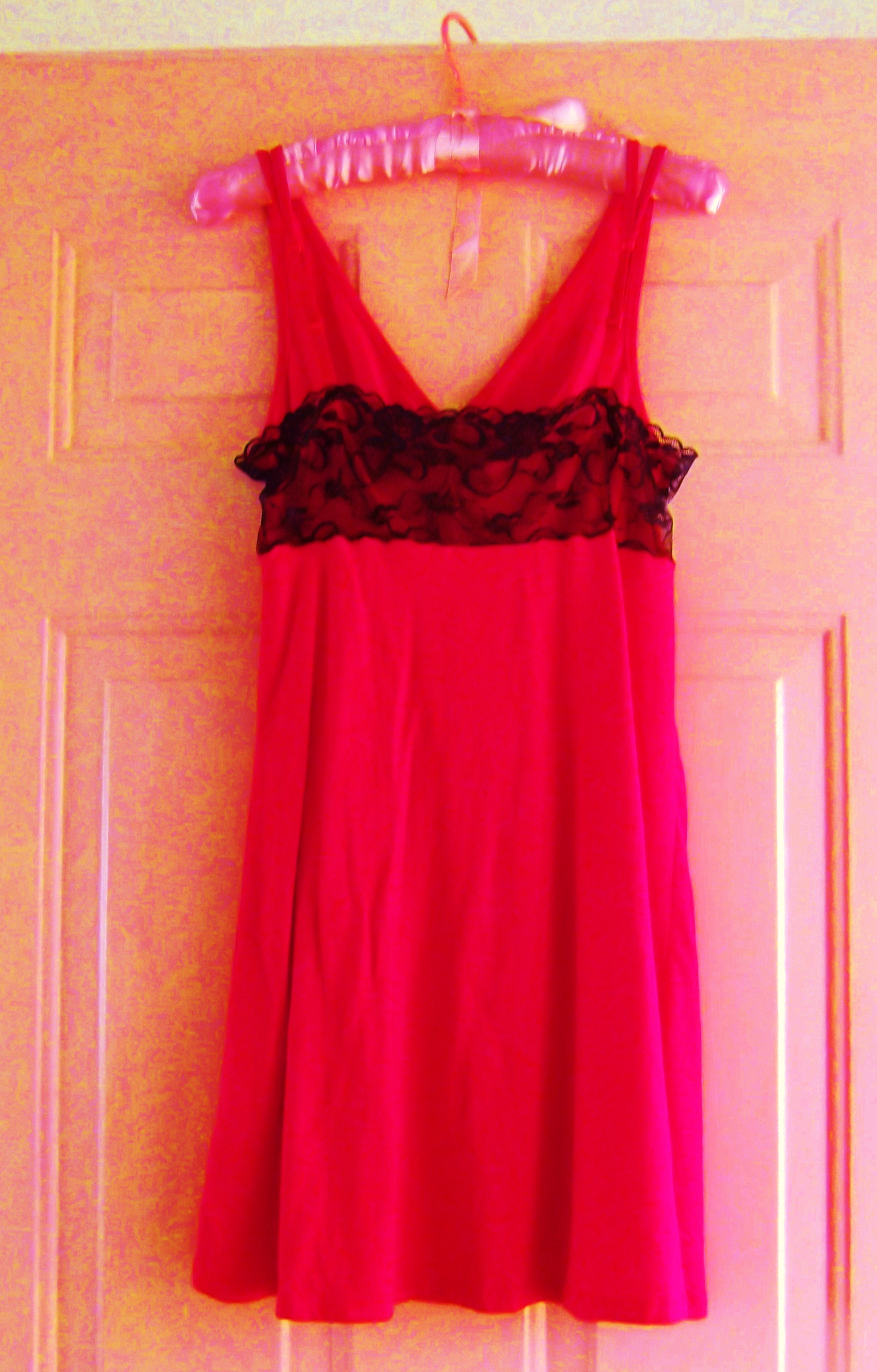
First you are young
And then you are not
The life that you own is
The life that you bought.
You can’t return it
Like a dress that’s too small
You own it, you wear it, that’s all.
You have to make it fit
My, oh my, what a mess!
It’s torn and it’s tattered
Like an old favorite dress.
Repair the torn out seam
Sew on a missing button
Because once it mattered
It’s an easy decision.
It’s your life, it’s your dress
You own it, you wear it, that’s all.
by Jeanne Marie
Excerpt From Women Who Think Too Much, The Newsletter

In My Heart
Jennifer Jean
They never tied the cord when
they tore you from my womb.
We are flesh woven together
like yarn on the weaver’s loom.
I’ve never cut you loose
connected by bloody strands,
I hide them deep in my soul
as you push away my hands.
A separate fragment of myself
removed and set apart.
Could it be that a piece of you
was left inside my heart?
by Jeanne Marie
What Sort Of Woman?

Eighteen hundred miles from here there’s a place that she calls home, but it isn’t.
She left it behind long ago, this gypsy’s child who could not deny her urge to roam.
On the distant shore she still calls home there’s ocean air she longs to breathe…
the endless blue she aches to see, winds that howl all the way to her heart,
”Come home to me.”
When her longing for the ocean overwhelms her senses, she goes.
Sand castles that take so long to build; yet, never meant to last.
Waves that crash ice cold, slap against her legs, deliver burning blows, sting away her past.
As she tries to absorb the ocean through her skin the surf takes her pain and
batters it away, beats it senseless against her shins cleansing the memories from her head.
The salt in the air, the sun on her face must go straight to her head, drive her half insane
because what sort of woman lifts her body off the sand but lets her soul remain?
Still, home is just a word she doesn’t care much to define and her soul knows where it belongs.
In the early morning hours, one last plunge, she shares the waves with a wayward dog.
Their eyes meet, sentiment is shared, “This ocean it is mine, for this moment, it is mine!”
Dried kelp, empty crab shells, seaweed, rocks, she gathers with a fury she can’t explain
because what sort of woman flies to the ocean and attempts to carry it back home on a plane?
She hauls back a suitcase filled with rocks, stones of every shape and hue.
Still her ocean slips away, not even this gypsy woman can possess the bewitching blue.
She flies away, minus her soul, maybe she’ll return to stay, maybe when she is old.
Painted by many, photographed by even more, none have ever captured
the Lady’s true essence nor managed to carry home the sandy shore.
“I want to live at the ocean,” she tells him when she walks off the plane.
He mourns for the longing in her eyes, her lust for oceanfront property undisguised.
She knows the answer before he speaks, money stands between the ocean and her door.
She’ll have to settle for a visit each summer.
Meanwhile she’s returned to frozen lobster, dirty dishes and unwashed floors.
She gently arranges her cache of shells, goes back to work not quite resigned.
“If I ever sell a book,” she whispers, “I know which cottage I’ll call mine.”
Under The House
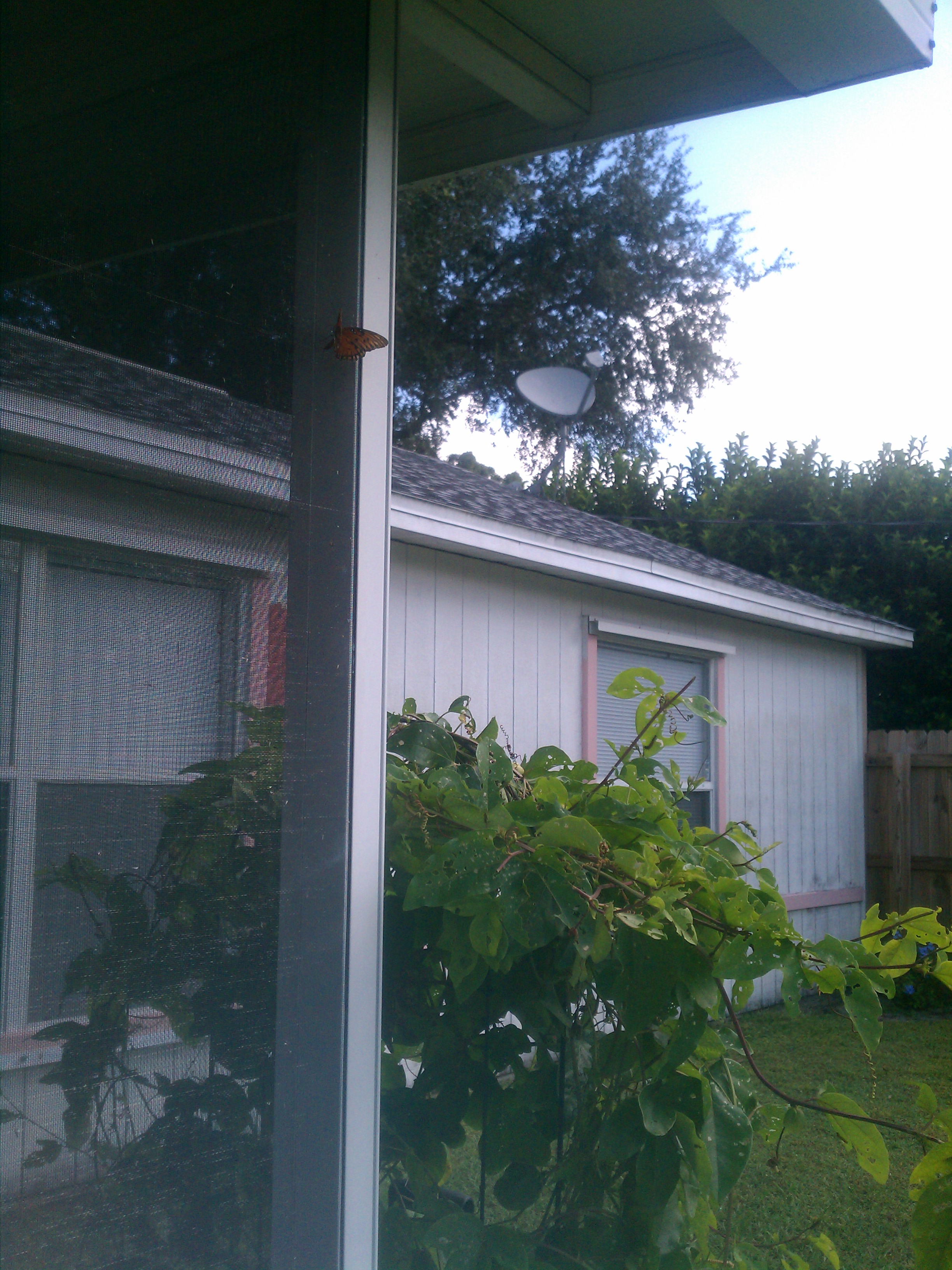
The truth escapes me
Sifting down through
The cracks in the floor boards
To live beneath our home.
The walls absorb reality
Which never was quite clear
Facts taunt and tease
Sneak in when I’m alone.
Yesterday’s unwashed dishes
Fester in the sink
Mold grows in the cellar
Moving boxes still unpacked.
The truth lies under the house
It awakens me at night
It waits for me in my dreams
When I’m vulnerable to attack.
Behind the bathroom mirror
Demons guard the walls
The truth is not what it seems
Deceit covers reality like paint.
by Jeanne Marie
Hi Mom, This Is Me

I recently published my book, Women Who Think Too Much. I held onto this manuscript for almost 20 years, afraid to be judged, because I bared my soul in those pages. I waited so long that someone else published a book with the same name.
My writer’s group encouraged me to edit and finish this book and they believed that my words had value. My editor and friend poured her heart and soul into this book, she fell in love with this book. Read every draft, every word, over and over and over.
My writing group believed that my words could touch and maybe help another person, and to my surprise, releasing my book released so many of my own pent up fears, that it helped me. After growing up with my promise/threat to publish WWTTM, my son just kept saying, “Just publish the damn thing.”
I am out there now. ME, THE REAL ME. I felt the walls come down. And so, I helped myself, even if I never sell more than the 11 copies I have sold.
I am not hiding in my blog, I am coming out.
Hello, fellow writers. This is me. Jeanne Marie.
This is my book’s dedication.
To my mom, Mrs. Grace Christine Doucette, 1926-2009.
Mom, without your love and support, I wouldn’t have found the courage to write this book. It all began with my first computer and a four-page letter to you in 1998.
You proudly passed the pages (composed of essays, poetry and pictures) around to family and friends.
When they asked for more, I let my imagination fly in print. That was how the newsletter, “Women Who Think Too Much” was born.
Within a few months, I had subscribers in eleven states and Canada. The full-color newsletter grew to sixteen pages and at my invitation, many guest poets and guest writers were featured, but most of all, I will always treasure your submissions.
I wrote WWTTM for twenty-four months and then I allowed life to get in my way. The bulk of this book was written back then, but never finished despite your persistent encouragement. It may not even be finished now, but it’s printed.
I miss you every day…
Until next time, love, Jeanne Marie
Women Who Think Too Much available at:Ebook
Google Me No More!

Google sent me a text from its no such place mansion in The Cloud, asking me a stupid question in the middle of night. They asked me if I wanted to update Google Play. They asked me that question at 2:00 a.m., to be exact, and it is far from the first time that Google couldn’t sleep. Well, Google let me think about this…
I was sound asleep.
I don’t play with Google on my cell phone, only on my Android pad.
Texts in the middle of the night mean one thing to me…someone I love is in deep do-do because…
I have a daughter who makes the Hot Mug Shots page at least twice a year.
I have a great-grandson who was born less than 2 weeks ago, promptly turned yellow and we discovered that he fractured his little shoulder during his journey through the birth canal, (8 pounds, 8 ounces).
I have four kids who live in three different states. I have 15 grandkids, ages 4 to age 30, and they live in four different states.
My elderly mother-in-law lives two hours from my house.
My son almost died in a car wreck a little over a year ago.
My sister’s son almost died in a car wreck 7 days ago.
My oldest granddaughter just left after spending two weeks with me because she was in an emotional crisis and Grammy is the family tear wiper.
So Google, where ever you are, do you think I want a false alarm (2:00 a.m. panic me good) text asking me to get up and check out your new games in the middle of the night?
To make it perfectly clear, NO.
How many people actually respond to your a.m. requests?
No, don’t answer, I’m better off not knowing.
NO, I do not want to play with you, especially at 2:00 P.M. NO, I don’t want to wake up from my dream of a White Christmas 30 years ago in New England.
You have invaded my boundaries and abused the privilege of knowing my unlisted phone number.
I would notify you of my desire to be left alone when I am sleeping, but since you live in the no such place mansion in The Cloud, I don’t know even know how to get in touch with you, although obviously, you know how to get in touch with me.
My Cloud wants to talk to your Cloud. I’m sure you have his number.
The Ants and The Housewife

The ants were watching the housewife. Zoe, their Queen was dead. Boric acid and sugar. They had delivered it to their Queen in all innocence. Princess Zia was leading them, because without a leader they were helpless, but she was so young. She was trying to take her mother’s place but she hadn’t even begun training for her own nest when her mother died from the tainted sugar.
The ants waited, silent, deadly, hungry, watching the housewife, hoping she would release the grains of white sugar from the container that they couldn’t breach, the big white plastic gallon with the ant proof, tight blue cover. Then they could eat and regain their strength before the battle.
Oh yes, there would be a battle today.
They watched as she drank her coffee and started to pull down items from the food closet. They hated her. She had killed so many of them over the past few months and they were out for more than sugar now, they also wanted a taste of revenge
.
No luck yet on the sugar. The crazed ant killing housewife didn’t even use sugar in her coffee. They watched her, never taking their teeny eyes off her as she bustled about the sparkling clean kitchen. Bleach. The physco even knew about bleach.
She wiped down the white counters and washed the kitchen floor with it every morning, hoping to wash away their scout’s scented trails. Thanks to her, most of their scouts were dead. Cruelly crushed by her deadly pale fingers and then washed down the stainless steel sink.
It wasn’t fair. They had lived here in the empty house for years because the crumbs and sugar spilt by the previous owner, a ninety-year old woman, had been more than enough to support the nest. She had never even noticed them when she was alive. When she died, the empty house had become their own private food locker. The kitchen drawers alone had held enough crumbs to carry them for ten years or more. Under the stove and the refrigerator there had been mounds of crumbs, more than they could carry back to the nest, even if they had worked night and day. But they hadn’t worked night and day.
They had become lazy and smug, taking nights off to run around and play. They had thought the house would be empty forever. Thanks to the endless food supply, the nest had flourished, spread out to encompass over a thousand square feet beneath the house. Their house.
Then the housewife moved in and started cleaning out the drawers, washing the counters and the floors, vacuuming the rugs.
At first they had still been able to feed, favoring the new supplies she bought in abundance instead of the moldy, old crumbs. They were still happy little ants and then BOOM. One day she found them in the food pantry and she had declared war. Bombing, spraying, squashing, poisoning in devious ways. Pulling out the electric stove and the refrigerator, she’d scrubbed under them with bleach, and then she had sprayed more poison. She poured flaming Cayenne powder around the cracks, behind the appliances and under the cabinets. Then she sprayed more poison.
Just when they thought she was calming down and they could sneak back into the kitchen, she found them scouting in her bathroom and she absolutely freaked when she found the stupid baby ants playing on her bed pillows.
The war had escalated. She began to tempt them with dishes of sugar-water and boric acid, laying out traps and lairs to capture the stragglers who hadn’t died from the insecticide. That was the death of their beloved Queen Zoe.
Now, it was going to end, one way or the other. She couldn’t kill them all unless she burned the house down and they weren’t going to move out. Zia stood and gave the signal. Thousands of soldier ants silently crawled into formation behind Zia and began moving toward the housewife’s feet. The line was about an inch wide, hundreds of tiny red sugar ants on the march, silent, slow, and short-tempered. Streaming steadily toward the woman. She was oblivious to them as she continued to arrange the ingredients for her baking project
The ants were on the offensive now, crawling like an upward stream of brownish red sludge, they moved closer to her. Closer. They were almost to her feet.
Zia reached the housewife’s big ugly right toe first and she stood defiantly on the craggy toenail to instruct the troops. “I may not live long enough to become your Queen,” she signaled with her antennas. “But today we will drive this housewife out of our home and we will avenge my mother, Zoe, your Queen.”
More ants poured out from behind the fridge and flowed down the cabinet. They joined the thousands already on the floor, marching as one, they streamed toward the housewife.
**********
When she woke up that morning, she was determined to make her mom’s Christmas cookies. She had been too depressed to make them for a few years, since Mom had died three years ago, but this year she was determined to restart her Christmas spirit engine and what better way than rekindling her best Christmas memories? Kneading Italian cookie dough for hours with her mom and hand rolling hundreds of the little wreaths for friends and relatives. She’d made the cookies for years with her own three kids and then with her grandchildren. Mom’s Italian cookies, anisette, orange, lemon and strawberry, they represented everything she now needed to touch, to smell. They would light her heart back up, she would become focused in the simple task of rolling cookie dough in the palm of her hands, little strands of finger shaped dough, folded over to make wreaths and then dipped in different types of sprinkles, chocolate, red sugar, green sugar, multi-colored dots, she had bought them all.
She knew from past cookie baking projects that she would become focused and happy, smelling the memories of her mom’s wood stove, remembering the big tins of warm cookies they would get ready to mail to all their relatives.
She didn’t realize until she was a grown woman that the cookies were all her that mom had been able to afford, that the long hours of back breaking labor needed to bake the three to four batches she’d helped mama roll each year were love offerings sent in place of store bought presents. No boxes wrapped in red and gold, no packages tied in ribbons and bows.
The kitchen and the wood stove had been the center of their minute corner of the world during Christmas seasons gone by and every Christmas, without fail, the Christmas cookie mixing bowl came out of the cupboard. People might forget Christmas presents they unwrapped under the tree and checks that came in the mail, but no one ever forgot her mom’s gift of delicious bright-colored cookies.
She reached up into the spice cabinet and took down the little brown bottles of flavoring and the four plastic bottles of food coloring. Red, green, blue and yellow.
The batch of dough required twelve eggs, twelve cups of flour, twelve cups of sugar and the mound of dough would be enormous. It would be cut into four sections and then each section would be kneaded with a different food color and flavor.
Sometimes she cheated and made a half-batch, but not this year. This year she was going to mix up a whole batch and spend several days rolling and baking the scintillating wreaths. She began to break the twelve eggs into a glass bowl, watching for pieces of egg-shell.
The phone rang and she washed her hands, catching it on the last ring. “Hi honey, nope I checked, no ants this morning. I even decided to make cookies since it’s been a few days since we’ve seen any of the little buggers. Ya, I know, I’m sorry they got in your spagetti and meatballs. It was the darn sugar I put in the sauce. I know, I know…okay, love you too, see you later.”
She set aside the cell phone and went back to cracking the eggs. Mom used to sing when she worked. Searching her mind for a suitable song, she set the eggs aside and began to measure twelve cups of flour into the huge silver bowl Mom had bought her. It sounds easy to count to twelve but knowing better than to believe she could maintain the necessasary concentration, she scratched a pen mark on a little piece of paper each time a cup went into the sifter.
Zoe paused on the woman’s big toe. Giving a silent signal to her troops, behind her the marching ants stopped. Zoe had seen a big can of Raid Ant Killer on the counter next to the woman and although she couldn’t read, she knew what was in that can and what it could do to her army. If they attacked now they would be covered in the deadly ant spray, easy targets as they grouped on the floor prepared to attack.
Zoe signaled again and the troops began to reverse their march, silently creeping back up the wall and into the small hole in the ceiling that led back to their nest. Zoe knew they would need a better plan.
Today
Every thought I think is creating my future. The Universe totally supports every thought I choose to think and believe. I choose to believe that I have unlimited choices about what 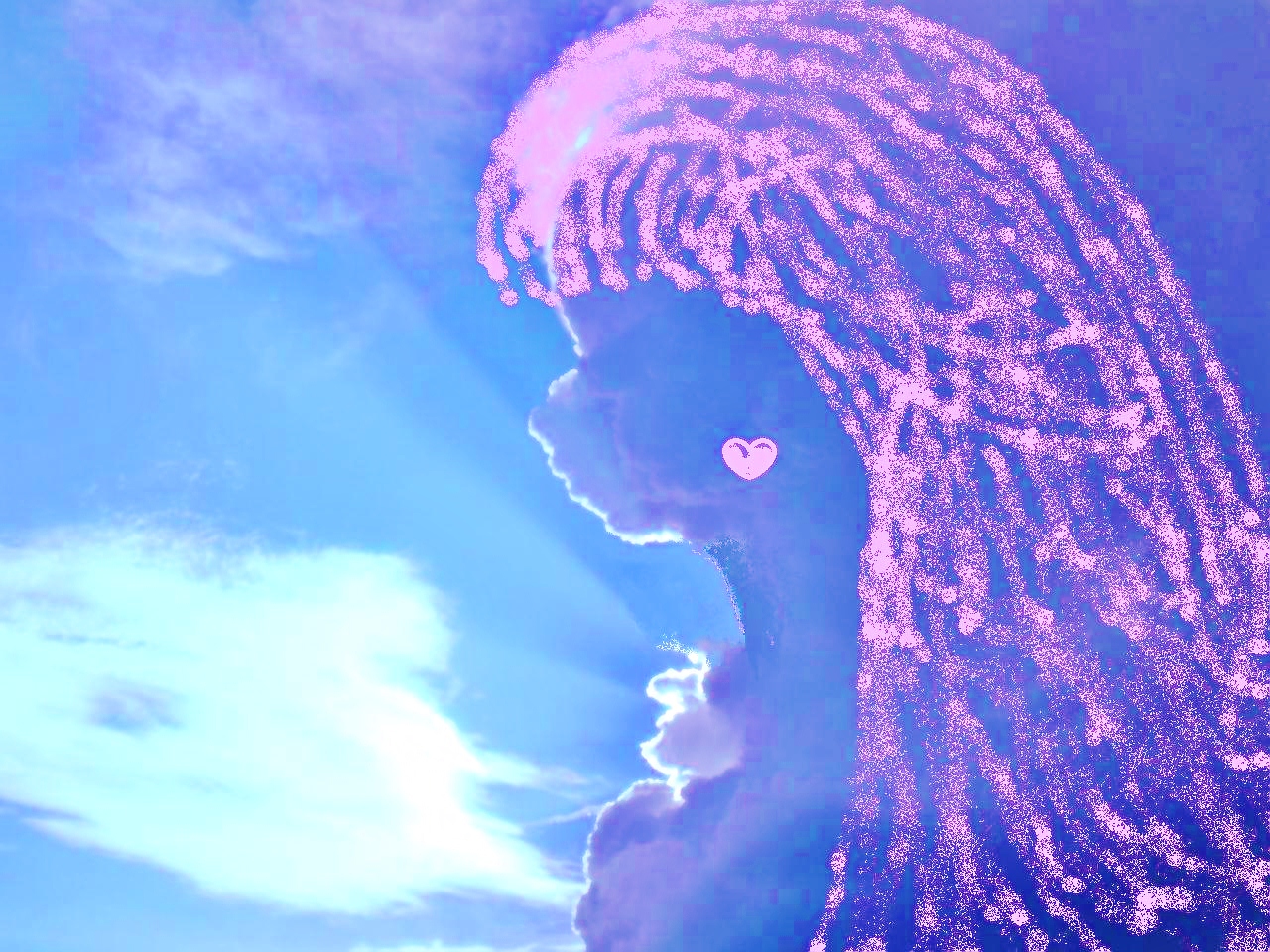 I think. Louise L. Hay
I choose to embrace emotional and spiritual balance in my life, gratitude for all the love in my circle, the awe I feel when I gaze upon my blessings from my children and my grandchildren, gratitude for the sunshine and the ocean breezes. What do you choose to think today? Jeanne Marie
In the end we only regret chances we didn’t take. The relationships we were scared to have and the decisions we waited too long to make. There comes a time in your life when you realize who matters, who doesn’t, who never did and who always will. From Christine’s Facebook
Life mirrors my every thought. As I keep my thoughts positive, life brings me only good experiences. As I say yes to life, life says yes to me. YES! Louise L. Hay
The past looms ever-present, but this moment is God’s present to me. I won’t ignore my present by holding yesterday’s regrets in front of my eyes. I cannot change the past, but today, the present is mine. I will create good memories. I will hold this moment, I will laugh and play. I will live today, love me today, and appreciate the people who love me today. I will share my present today. Jeanne Marie
Your life is a physical manifestation of the thoughts going around in your head! Think positive, attract positive. The Secret
The Bobbsey Twins, Dad And Me

I love hearing the soft splatter of rain against my bedroom window in those shadowy moments between sleeping and waking up. As I snuggle under the warm quilt, still half asleep, I feel silent anticipation surround me. It’s raining and from the rhythm of the drops as they splash the window it sounds as if it’s going to rain all day.
As I become more alert and in touch with reality, I realize that my happiness is flowing from the past. I learned to love the rain years ago. My dad was a bricklayer and when it rained he couldn’t go to work. I remember waking up on those rainy mornings knowing that it would be a bookstore day. I don’t know when the tradition started, but my memories seem focused on the year I learned to read. I loved books from the moment I could read, and my happiest childhood memories are of the days we roamed through the second-hand book stores, each of us searching for our favorite authors.
Dad would browse through the different cookbooks, and Mom would go digging in the dusty piles looking for Edgar Rice Burroughs. I’d gather up every volume of The Bobbsey Twins that I didn’t already have, and I’d quietly spread them out on the counter beside my father. He would talk to the bookstore owner for what seemed like hours, but eventually he’d turn to me and ask, “Jean, are you really going to read these books?” As I eagerly nodded my head he would call over to my mom and ask, “Grace is she going to read these, aren’t these books too old for her?” (I was only seven.)
It was his standard question, but I wouldn’t breathe until I heard my mom assure him, again, that I’d devour these books. “Well, just pick out two of your favorites,” he’d say each time.
I’d whisper to myself, “I want The Bobbsey Twins At The Seashore, and The Bobbsey Twins At School.” As I returned the others to their shelf, I’d change my mind. I wanted The Bobbsey Twins On Blueberry Island, and The Bobbsey Twins On The Deep Blue Sea! I wouldn’t make my final choice until my dad was ready to pay.
After he paid a nickel each for them, I’d cradle the books in my hands, and a warm excitement would flood my body. During the ride home I’d arrange the two volumes of The Bobbsey Twins on my lap, slowly brushing my fingers across the faded covers. Peeking into the book’s yellowed pages was like eating a root beer popsicle in August.
As my father opened the front door I’d run past him, back to my bed; back under the covers with the sweetest possessions in all the world, two volumes of The Bobbsey Twins!
Bert and Nan, the older twins, did their best to keep Freddie and Flossie out of trouble, but it was hopeless. The two little ones bounced with energy, and they just ran wherever they pleased, charming everyone with their antics. I loved the two toddlers with their honeyed curls and round cherub faces. Their wild spirits and endless curiosity often led them into dangerous situations, but thankfully, their parents, or the older twins, always came to their rescue before they’d get hurt.
As I read each volume I knew that I could count on a sticky sweet happy ending, with hugs and kisses all around. Their escapades removed me from my life. As I absorbed the words my mind danced through each adventure with the twins. My eyes flew across the dusty pages, scanning entire paragraphs in a glance, and before long I’d feel the last few pages between my fingers. I’d force my eyes to slow down and then I’d try to read each sentence, desperate to keep the story from ending. It always ended too soon. I’d read both books the same day, and by supper time I’d be longing for one more rainy day and another visit to the book stores. I must have reread each book a dozen times.
The dad in The Bobbsey Twins adventures loved his children. He taught them in a firm, yet kind and caring way. My dad could be that way too; until late each afternoon when he’d begin to drink. I didn’t understand why my dad drank, but I learned at a young age how to fade into the walls. My books let me run away from home when I had no place else to go. They showed me another world, a world apart from the emotional violence and the verbal abuse. They gave me hope, and without realizing that it was survival tools he was handing to me, my dad bought me my books, until I turned nine and started to haunt the libraries.
So, that’s why I love to wake to the sound of rain drops splashing against my window. It reminds my heart of the love my father was able to show, the treasures he bought me, the surprise in his eyes when he first realized that his little girl could read, his reluctance to let me grow up. The soft wetness surrounding my ears soothes the bad dreams; it chases away the nightmares; and it lets me forget the angry, crazy man that my dad had become by the time I had children of my own.
When it rains I forget the names he called us, I don’t care about the things he smashed, the holes he punched in the walls. I remember the love and the pride in his eyes, a hidden smile behind his words, the rain pouring down outside the converted garage that we called home, and his playful question, “You don’t want to go to the bookstore today, do you Jean?”
Thirty years ago my ex-husband carelessly lost my entire collection of First Edition Bobbsey Twins along with my Nancy Drew mysteries. The books fell off the back of our moving truck, and although I searched the streets he had driven on, I never found them. I’ve refused to buy shiny modern reproductions. I want my softly worn, second-hand friends, the books that whispered my dad’s message to me while the rain fell around us, “I do love you.” The gifts that spoke the words he could never say.
A few months ago, as I browsed in an antique store in downtown Collinsville, I found a 1913 First Edition copy of The Bobbsey Twins At Snow Lodge, with the original jacket still intact. I bought that old friend for four dollars and fifty cents. That’s all it was worth to the antique dealer, but I felt as if I had won the lottery when I took that time-worn book home, and gave it a special place on my bookshelf.
The author, Laura Lee Hope, will never know how her stories encouraged my timid spirit, or how she set my mind on fire, burning with an obsession to read and igniting a lifelong love affair with words.
My dad? The men he worked for called him a genius. Whether his hands touched bricks and field stone, or pastels and charcoal, he created masterpieces. Sometimes he’d take my tiny hand in his, and we’d walk through the gorgeous gardens that he and my mom had designed and nurtured. He’d talk to me about the wildflowers they had transplanted from the mountains and the woods of New England. Then there was his cooking; he could out cook the finest chef. I can still smell the delicious aroma of his sour dough bread baking in our ancient, black wood stove.
My dad? Today he is homeless, lost in the crowd of mentally ill who roam the streets in every city and town across America. He is an alcoholic who first lost his mind, and then his family, because he couldn’t walk away from the bottle. Family members search for him, but he doesn’t want to be found. He tells the few people he talks to that he doesn’t have a family.
The cherished edition of The Bobbsey Twins catches my eye every now and then, and I pause to brush my fingers across the worn cover, especially when it’s raining.
He couldn’t say the words, yet the rain still whispers to me, “I do love you.” I whisper back, “I love you too, Dad.”
PUBLISHED IN THE HEALING WOMAN 1997
Update: My dad died in 2000 and was buried without a headstone, or family present because family was never able to find him or his death certificate. Recently, my sister, with the help of two military friends, has found where Dad is buried.
October 16, 2019 he will be honored by the military and by his family. He will finally have a headstone. RIP Dad.
The Dream. The Hope. The Promise.

Christmas is hurtling toward me again. My fifty-third Christmas season. The emotional burden of Christmas Past swoops down from the twinkling lighted trees and brightly lit homes that surround me. The blue and red flashing bulbs wring me out until I resemble a soiled, sour dish rag. I resist the waves of regret and remorse, work and work on my computer until my shoulders are on fire, EBay until my arms are no longer able to function. Work around the house until I can’t trust my twisted, deceitful hands (hands which used to be so petite, so pretty) to hold a Styrofoam cup of lukewarm coffee without letting it fall to the floor.
I’m tired. It’s time to lie down and accept my lashes. Lashes of regret for all the loved ones whom I’ve hurt, for all the loved ones who have slashed me with the tree switch of dysfunction, my remorse that has no cure, my rage that burns inward, my self-destructive urges to destroy the vessel that encloses my anguish. My sobs break free, my muscles clench, my flesh trembles from the anguish of forcing the traumatic memories back down; but still I see the cherished faces of nanas, grandfathers, mothers, daughters, grandchildren, sisters, brothers, fathers, sons, lovers and friends.
My ties bind me to people whom I’ve lost to foolish games; codependent lies, contaminated love, mine and theirs.
Each time I close my eyes, Past flashes me like a crazy pervert naked beneath his raincoat. Therein lies Justice because there is no place to hide from myself and myself is where Past lives.
I try my meditation. Relax my entire body starting with the top of my head, working down to my toes. Picture a warm pot of honey and Pooh Bear with a fluffy, yellow dipping wand. He encloses me in a cocoon of warm honey, swirling his sweet warm around me, gently starting at my head. Pooh doesn’t make it past my shoulders before I shove him aside.
I want to slice the pain away, run to the bathroom, and take a razor to my wrists until I have slashed through the skin that protects my veins. I want to cut and slice until the unbidden, unwanted memories Past forces on me leave me alone, my brain waves registering a zero.
But I can’t. After numerous botched suicide attempts, I’ve decided that life is an obstacle course with Heaven as my reward and I’ll pass God’s test if I don’t kill myself or any one else. Therefore, I am trapped, imprisoned in Earth’s orbit, each moment reminiscent of a corny Star Trek film where Captain Jim can’t break free from the aliens. I am captured by that damn, “Thou shall not kill-anyone!” clause.
So; instead, I cry raggedly into my poodle’s soft pillow which he left behind when he followed his daddy to bed. I wrap my little girl Barbie blanket over my arthritic swollen joints and I weep.
I remember the carefree crazy days when I carried two razors at all times, one in my left shoe and one tucked into my size 36 AAA bra so I’d always be prepared to self-destruct at a moment’s notice. (I broke that habit when I sliced open my pregnancy induced 38 C breast by roughly pulling off my bra before I removed the blade.)
That night, I put down the bottle too, cause hell, I was high enough on impending motherhood and each time I drank, I wanted to kill me or the baby’s daddy, maybe both.
I wasn’t able to put down the Southern Comfort the next time around, and although the scar on my mature breast has faded, my second baby still bears the thumb print of my addiction on her forehead.
Past is a stubborn, relentless enemy. He sucks, he tears and he drains, he holds me prisoner under the soft lie of a safe Barbie blanket. I wet her smiling pink face with my faucet of tears.
I get up to get a tissue though, because not even Past can force me to wipe my snotty nose on Barbie’s Sweet-n-Low smile. She’s the dream, the hope and the promise. She’s the little girl still hiding inside my haggard, worn body. I drag my butt to the bathroom for the Angel Soft tissues.
Sleep would be a blessing because I’ve learned to stop my dreams by staying awake until I’m exhausted, but Awake won’t let me close my eyes.
By the way, I just had to stop writing to go back and edit all the sentences where I had slipped into second tense in this ménage a tale of woe, because that is how I distance myself from myself, a survival trick that I learned long ago to attain comfort in chaos.
I’ve surrounded myself with pink and yellow, but the blue remains. A three foot Barbie is decorating my pink Fiber Optic Christmas tree from the Dollar General, pink dolls drip from the branches, a pink and cream handmade afghan drapes over my night gown covered knees, sunflowers burst from sky blue and sunshine yellow vases. The window behind me is open and the sharp winter’s breeze cleanses my Marlboro filled lungs and airs out my smoky living room.
Still, inside I am black. My dark, tortured soul beckons to me and my gut begs me to give in to the insanity. “Just let go,” they whisper.
Psychiatrists say that the truly insane don’t even know it, so maybe I’m simply deranged, damaged goods, but either way, I keep a viselike grip on my minute drip of reason because I’m not going down that black hole alone again. Not even I am that brave.
I decide to stay sober for just one more day. I decide to stay alive for just one more day. After all, I’ve put together over thirty years of sobriety by promising myself, for just one more day. The dream. The hope. The promise. My Barbie blanket and me.
Calming A Wild Puppy

I have rescued several dogs over the years but the most recent addition to the family, Ms. Skeeter, a two-pound Chihuahua/Terrier mix, is the wildest little dog I have ever met. She is a ball of non-stop energy. When I first saw her at the shelter she was timid, curled in a little ball and she whimpered when I picked her up.
Then we brought her home and she became Super-Dog! She chased our eleven-year-old poodle around the house so much that he would bite her to try to get her to stop. She was unafraid and relentless so I knew we had to find a solution because telling her to STOP was just not working. I didn’t want her to get hurt and since the poodle was much older, she was wearing him out.
I don’t like crates and have never used one when training a puppy so I came up with my own solution. If it sounds cruel, remember it was much kinder than crating her and it was a fast way to slow her down gently.
I found a big box and put her favorite blanket and toys inside. When the poodle had had enough of the rough housing, I would tell Ms. Skeeter, “Time Out.”
That meant nothing at all to her, but then I would place her in the open box for several minutes and repeat “Time Out.”
I stood beside the box where she could see me and she was in the box for a very short time, usually several minutes. It only took a few days for her to learn what “Time Out” meant and she was quite happy to see the box get folded and put away.
Now if I say “Time Out,” she stops and looks at me to see if I mean it. When I repeat it firmly, she comes over to me and lies down beside me for a little while.
I have also learned that sometimes all she wants is love and attention, so the other calm down method I use is to pick her up and speaking softly, I pet her for a few minutes.
My groomer taught me to use the softer voice because my calmness actually calms her rather than agitating her and it is true, yelling at her to STOP just made her more excited because she interprets STOP as GO!
The last part of my calm down process involves daily walks, at least one, usually after supper. We walk at a fast pace for about fifteen minutes and the structured exercise goes a long way toward settling her down for the evening. It took several weeks to teach her to walk on the leash because she wanted to run free outside and she didn’t understand her limits. I kept the leash short and taught her to walk beside me instead of in front of me and as she learned to obey, I let more and more of the leash out, giving her more freedom. Our walks have become fun instead of madcap adventures and the exercise is good for me.
Ms. Skeeter is an adorable, loveable little dog and she makes me laugh everyday as I watch her play with the poodle, who weighs almost eighteen pounds. She dances in front of him, barking at him to get up to play with her and they are so cute together. They run, wrestle, play tug of war with the toys, fake bite each other and just have a blast. Her enthusiasm for life has the poodle acting like a puppy again and he loves running around the house with her.
However, teaching her to take a “Time Out,” is what made their friendship possible and it is the reason she has become a much-loved addition to our family.
Flesh and Bones
Her hands make love to his shoulders
Caress the tension from his neck
Fingers entwined in his soft curls
Her face buried in silver and brown strands.
Inhaling the heady scent that is him
She allows her tightness to slip away
Falling, falling into a dark warm mist
A vapor of safety created by his love.
Absence of pain, regret, loss or sorrow
Blankets of tenderness and devotion
Washed worn by life’s bleaching storms
More precious than diamonds and gold.
His devotion surrounds her flesh and her bones.
Thus, sleep is a cocoon which shelters her
Pillows of passions released time after time
Cradle the woman and her fragile dreams
Rocking her to sleep in his gently flowing river
Drifting on billows of unconditional love.
Floating to euphoria, wrapped around his back
She wonders, how is it possible that her love
Could increase beyond description, young and free
When time has removed the freedoms of flesh and bone?
She loves him beyond explanation, a rare dilemma
For a woman who was born to dance with words.
She loves, she loves and as his love enfolds her, she is sheltered.
She sleeps and she is secure because he is there beside her.
by Jeanne Marie, 2013
The Race

I get so dizzy struggling to keep up to myself, running from room to room, to garden, to garage, to shelf.
Clean this, write that, whip up a cake, pay the bills while making a fattening meal, that my hips know they can’t take.
What am I doing?
Cause I really don’t know–and there’s no going fast when I’m traveling so slow.
I’m stuck in the back seat with the driver asleep at the wheel while somehow the joyride has turned into a raw deal.
Sleep?
Well, no, not very much–dreams are dangerous races cause my mind is unguarded, drifting in and out of strange places.
Displaying my fears, scrambling my brain, inflicting grief with no notable gain.
Shoving back in my face what I thought I’d discarded and a nightmare revisited ends what I’ve started.
Perhaps I could slow down and buy me a piece of mind, but an accident’s gaining speed ramming into me, hard, from behind.
Preceding the crash, Past insists on driving my soul allowing ancient ghosts to tell my thoughts where to go!
“Jump out of the car!” my panicky brain tells my feet.
Run until you can’t remember, the pain, the anger, the bonus gifts of deceit.
Jodie Lynne

You can’t keep a fairy angel
on the ground
You can imprison her
Take away her ability to fly
Hold her down, for a while.
But as soon as the light hits her face
She will shake herself free.
She will fly
She will laugh
She will love
She will leave her addictions in the dust
Cause you can’t keep a fairy angel on the ground.
by Jeanne Marie
 Women Who Think Too Much by Jeanne Marie

You must be logged in to post a comment.